If you’re building a gaming PC or upgrading your rig in late 2025, one question keeps popping up: Is Gigabyte a good GPU brand? With Nvidia’s RTX 50-series and AMD’s RX 9000-series cards now fully launched post-CES 2025, Gigabyte remains a popular choice for custom GPUs. But between reliability concerns, performance benchmarks, and comparisons to brands like ASUS and MSI, it’s worth digging deep. In this comprehensive guide, we’ll break down Gigabyte’s brand quality, GPU reliability, top models with real-world benchmarks, head-to-head comparisons, and whether Gigabyte GPUs are worth buying today. Whether you’re targeting 4K gaming, content creation, or AI workloads, we’ve got the insights to help you decide.
As a PC hardware enthusiast with years of experience testing and reviewing components, I’ll draw on the latest data from benchmarks, user forums, and expert analyses to give you a balanced view. Let’s dive in.
Gigabyte Brand Quality: A Solid Player with Room for Improvement
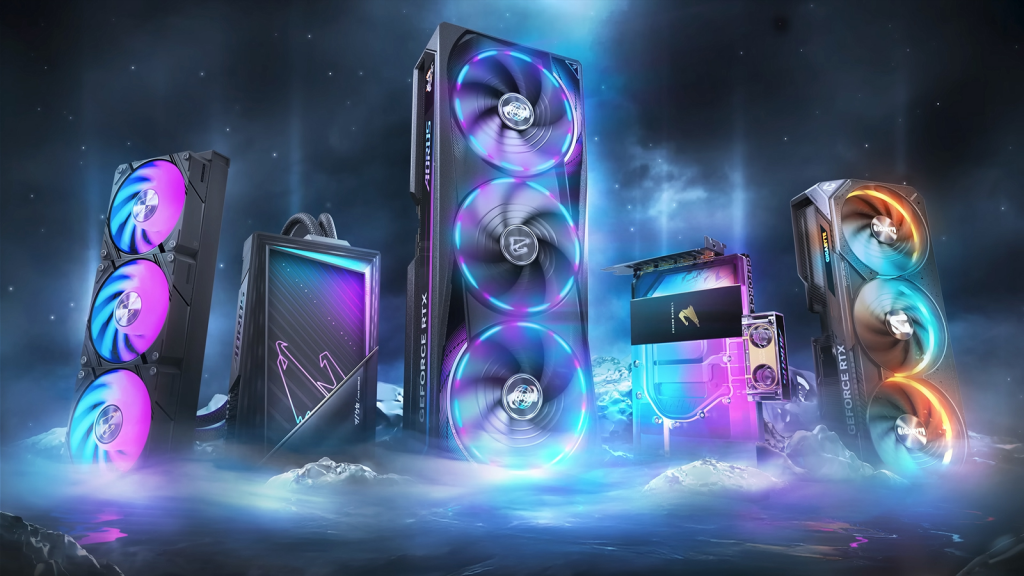
Gigabyte, founded in 1986, has built a reputation as a reliable manufacturer of PC components, including motherboards, laptops, and graphics cards. As an AIB (add-in-board) partner for both Nvidia and AMD, Gigabyte produces custom versions of popular GPUs like the RTX 5090 and RX 9070 XT. Their lineup spans budget-friendly options to high-end AORUS models with advanced cooling and RGB flair, as showcased in their CES 2025 releases.
Pros of Gigabyte as a Brand
- Affordability and Value: Gigabyte GPUs often undercut competitors in price while delivering comparable performance. For instance, their Windforce and Gaming OC series provide solid overclocks without the premium markup seen on ASUS ROG or MSI Suprim cards.
- Wide Product Range: From entry-level RTX 5050 to flagship RTX 5090 AORUS Master, Gigabyte covers all budgets. Their laptops, like the AORUS MASTER 16 with RTX 5080, score high in benchmarks for gaming and productivity.
- Build Quality in Key Areas: Many users praise Gigabyte’s motherboards and entry-level GPUs for durability. In forums like Reddit, Gigabyte is often recommended for PC builders seeking “good enough” performance without extras.
Cons and Areas of Concern
- Mixed Reliability Reports: While Gigabyte excels in some areas, older models (like RTX 30-series) faced criticism for coil whine and cooling issues. In 2025, this persists with RTX 50-series thermal gel leaks, affecting aesthetics but not always performance.
- Customer Support: Reviews highlight slower RMA processes compared to ASUS. Warranty is standard at 3-4 years, but users report delays.
- Not Always Top-Tier: Gigabyte ranks mid-pack in brand surveys, behind ASUS for overclocking potential but ahead of budget brands like PNY.
Overall, Gigabyte’s brand quality earns a 7.5/10 in 2025—strong for value-driven buyers but not ideal if you prioritize premium features.
Gigabyte GPU Reliability: Long-Term User Experiences and Failure Rates
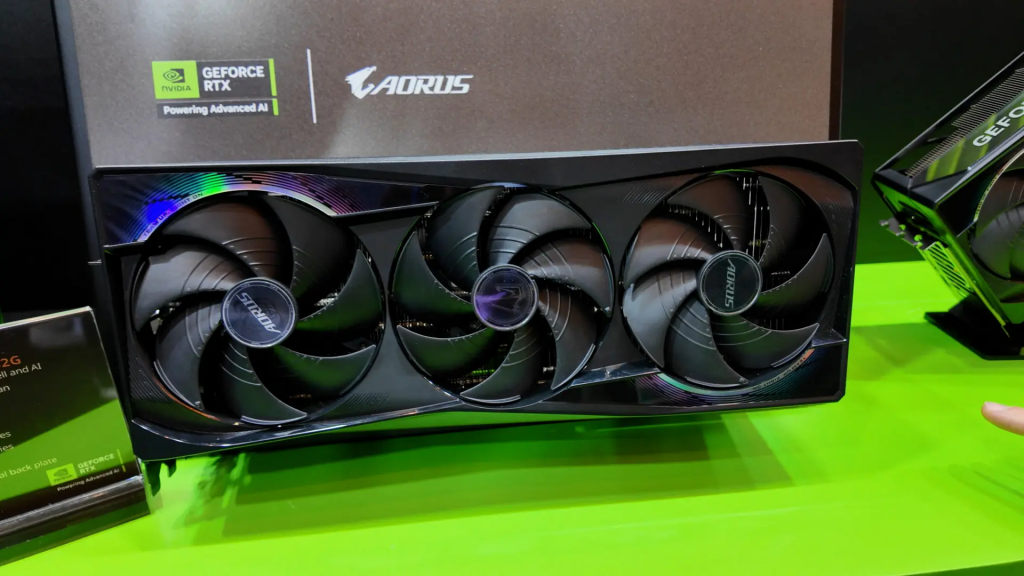
Reliability is a top concern when asking, “Are Gigabyte GPUs good?” Based on 2025 data, Gigabyte GPUs are generally reliable for everyday use, but issues with the RTX 50-series have raised flags. Let’s examine the evidence.
Common Reliability Issues in 2025
- Thermal Gel Leaking: A widespread problem in RTX 5090 and 5080 models, where excess thermal gel seeps out of the heatsink. Gigabyte assures it’s cosmetic and doesn’t impact performance or lifespan, but users report it in multiple cases. Failure rates are low (under 1%), but it’s a PR hit.
- PCIe Lane Initialization Problems: Early 2025 reports noted Gigabyte boards struggling with RTX 50-series, leading to reduced lanes and performance drops. Firmware updates fixed most cases.
- Historical Concerns: Older models like RTX 3060 Gaming OC faced underperformance and high return rates, echoing past quality control lapses.
Positive Reliability Notes
- Low Overall Failure Rates: In broader GPU rankings, Gigabyte’s return rates are comparable to MSI, around 2-4% annually, per retailer data. For AI and compute workloads, no major impacts reported.
- User Experiences: On X (formerly Twitter), recent posts highlight strong cooling in AORUS Master models, with one review calling it the “crown of GPU cooling” after years of testing. Long-term users (2+ years) report solid durability in gaming setups.
Tips for Maximizing Reliability
- Opt for AORUS series for better build quality.
- Check for firmware updates post-purchase.
- Monitor temperatures with tools like HWMonitor—keep under 80°C for longevity.
Gigabyte GPU reliability gets a 7/10: Fixable issues drag it down, but most users have positive experiences.
Best Gigabyte GPUs in 2025: Performance, Value, and Benchmarks
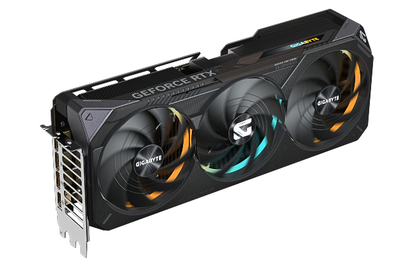
Looking for the best Gigabyte GPUs? We’ve reviewed top models based on 2025 benchmarks from sites like Tom’s Hardware and PC Gamer. Focus on ray tracing, 4K gaming, and value.
Top 5 Gigabyte GPUs Reviewed
- Gigabyte RTX 5090 AORUS Master: Flagship with 16GB GDDR7, excels in 4K (over 100 FPS in Cyberpunk 2077 with RT). Benchmarks show 36 TFLOPs, but pricey at $1,800+. Best for enthusiasts.
- Gigabyte RX 9070 XT Gaming OC: AMD powerhouse with 16GB GDDR6, tops value charts at 1440p/4K. Beats RTX 5080 in rasterization (e.g., 120 FPS in Forza Horizon 5). Around $700.
- Gigabyte RTX 5080 Gaming OC: Balanced mid-high end, 16GB VRAM handles AI tasks well. Benchmarks: 90 FPS in Starfield at 4K. Quiet cooling, $1,200.
- Gigabyte RX 9060 XT Windforce: Budget king for 1080p/1440p gaming (80 FPS in Elden Ring). Great value at $400, minimal issues.
- Gigabyte RTX 5060 Eagle OC: Entry-level with 8GB VRAM, solid for esports (200+ FPS in Valorant). Avoid for heavy RT; $300.
| Model | Resolution Sweet Spot | Benchmark (Avg. FPS @ 4K Ultra) | Price Range | Best For |
|---|---|---|---|---|
| RTX 5090 AORUS Master | 4K/8K | 100+ (Cyberpunk RT) | $1,800+ | High-End Gaming/AI |
| RX 9070 XT Gaming OC | 1440p/4K | 90+ (Forza Horizon) | $700 | Value Gaming |
| RTX 5080 Gaming OC | 4K | 85+ (Starfield) | $1,200 | Balanced Builds |
| RX 9060 XT Windforce | 1080p/1440p | 70+ (Elden Ring) | $400 | Budget Gamers |
| RTX 5060 Eagle OC | 1080p | 60+ (General) | $300 | Esports/Entry |
These picks shine in 2025 benchmarks, but check for gel issues on RTX 50 models.
Gigabyte vs Other GPU Brands: Which Wins in 2025?
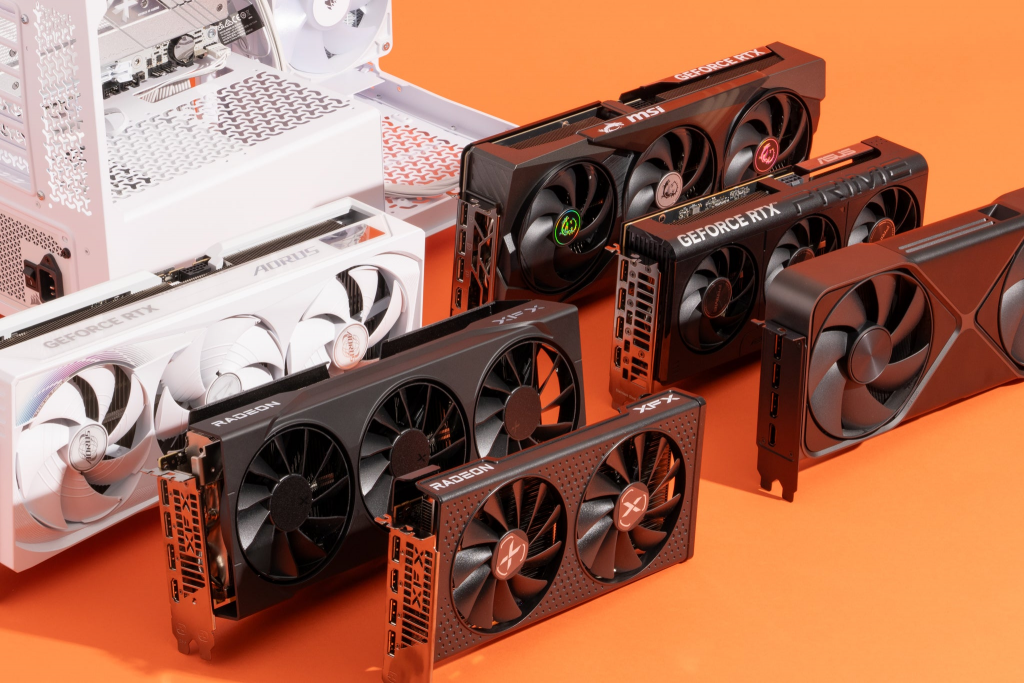
How does Gigabyte stack up against ASUS, MSI, and others? Comparisons focus on cooling, overclocking, price, and reliability.
Head-to-Head Breakdown
- Gigabyte vs ASUS: ASUS edges out in overclocking (e.g., ROG Strix RTX 5090 boosts higher) and build quality, but Gigabyte is cheaper and quieter in some tests. ASUS wins for premium users; Gigabyte for value.
- Gigabyte vs MSI: Similar pricing, but MSI’s Suprim series has better VRM for stability. Gigabyte cools better in recent reviews (e.g., AORUS Master vs MSI Expert). Tie for most builders.
- Gigabyte vs Others (e.g., Zotac, XFX): Gigabyte offers better RGB and software integration than budget alternatives, but lacks the niche appeal of specialized brands.
| Brand | Cooling | Overclocking | Price | Reliability | Best For |
|---|---|---|---|---|---|
| Gigabyte | Excellent (AORUS) | Good | Low-Mid | Mixed | Value |
| ASUS | Premium | Best | High | High | Enthusiasts |
| MSI | Solid | Good | Mid | High | Balanced |
Gigabyte holds its own but isn’t the undisputed leader.
Is Gigabyte Worth Buying for GPUs? Honest Pros, Cons, and Buying Advice
Yes, Gigabyte is a good GPU brand for most in 2025—if you prioritize value over perfection. Pros include affordability, strong performance in benchmarks, and improving cooling. Cons: Reliability hiccups like gel leaks and average support. Buy if you’re on a budget; skip for mission-critical setups.
Buying Advice
- When to Buy: During sales (e.g., holiday deals) for RTX 5080 or RX 9070 XT. Avoid early RTX 50 batches.
- Red Flags: Check reviews for your model; test thoroughly post-purchase.
- Alternatives: ASUS for premium, MSI for reliability.
In summary, Gigabyte delivers solid GPUs that rank well for the price. With proper research, they’re a smart pick for 2025 builds. What are your thoughts—have you used a Gigabyte GPU? Share below!