In the competitive world of graphics cards, choosing the right brand can make or break your gaming or creative setup. If you’re searching for “is XFX a good GPU brand,” you’re likely weighing factors like performance, reliability, value, and customer support. As a dedicated AMD partner, XFX has carved out a niche in the market, but does it stand up to heavyweights like ASUS, MSI, or Sapphire? In this in-depth 2025 review, we’ll break down XFX’s history, product lineup, pros and cons, real-world performance, and user feedback to help you decide. We’ll also compare it to competitors and spotlight popular series like Speedster to give you a clear picture.
Whether you’re building a budget rig or chasing high-end 4K gaming, understanding XFX’s strengths and weaknesses is key. Let’s dive in.
XFX Brand Background: From NVIDIA Roots to AMD Loyalty
XFX, a subsidiary of Hong Kong-based Pine Technology Holdings Limited, has been in the graphics card game since the early 2000s. Originally known for producing NVIDIA cards, the company made a pivotal switch to AMD (formerly ATI) in 2009 after a fallout with NVIDIA over distribution issues. This shift positioned XFX as an exclusive AMD partner, focusing on Radeon GPUs that emphasize value and innovation.
Headquartered in Ontario, California, XFX has evolved from a budget-oriented brand to one that offers premium features like advanced cooling and overclocking potential. Notably, they introduced power supplies in 2009, starting with an 850W Black Edition model, but their core strength remains in GPUs. In the US and Canada, XFX cards once featured a “double-lifetime” warranty—covering the original buyer and one subsequent owner—if registered within 30 days. While this has been phased out for newer models, it highlights their past commitment to longevity.
Today, XFX continues to innovate with technologies like Magnetic Air fans for easy maintenance and partnerships with AMD for cutting-edge RDNA architectures. If you’re asking “is XFX a good brand,” their history shows resilience and adaptation, but success hinges on product quality—which we’ll explore next.
XFX Product Range: Focus on AMD Radeon GPUs
XFX’s lineup is all about AMD Radeon cards, spanning entry-level to flagship models. They don’t dabble in NVIDIA, which limits options but allows deep specialization in AMD’s ecosystem. Here’s a breakdown of their key offerings in 2025:
- RX 9000 Series (RDNA 4 Architecture): High-end cards like the RX 9070 XT and RX 9060 XT dominate here. The RX 9070 XT Mercury OC Magnetic Air is praised for its cooling but criticized for underperforming in noise-normalized tests compared to cheaper models like Sapphire Pulse. These support AI accelerators, AMD FidelityFX Super Resolution 4 (FSR 4), and HYPR-RX for boosted performance. Ideal for 1440p/4K gaming and AI tasks.
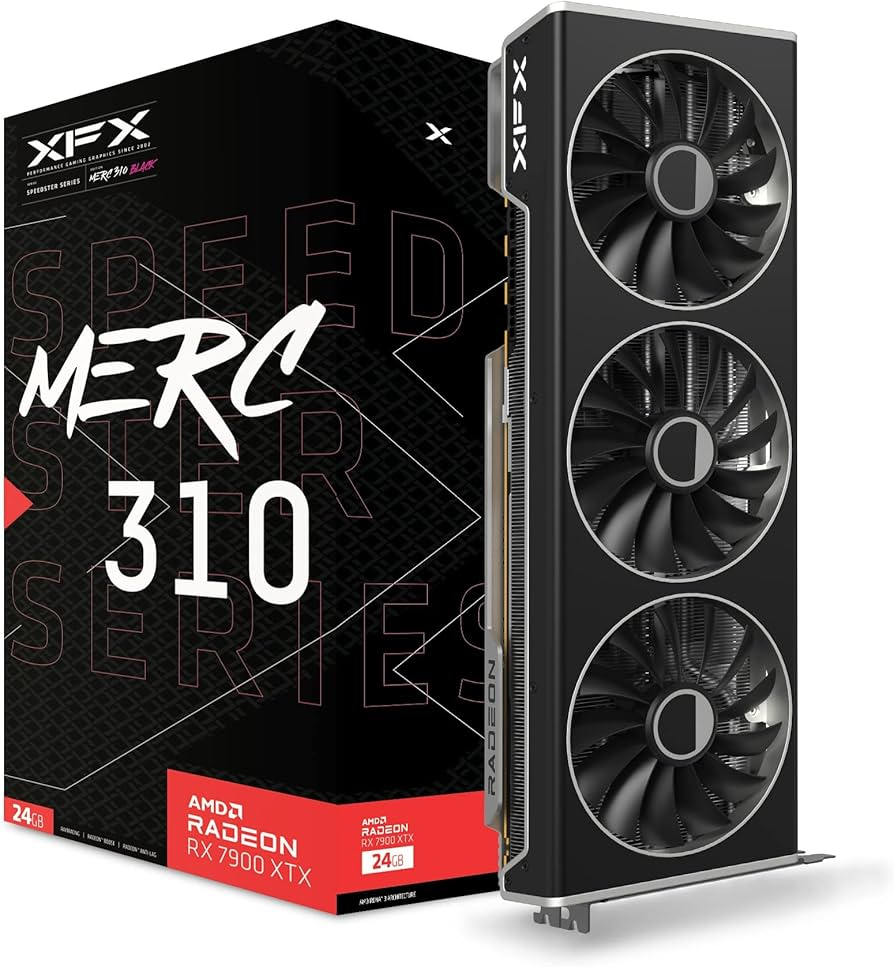
- RX 7000 Series (RDNA 3): Includes fan-favorites like the Speedster MERC 310 RX 7900 XTX Black Edition with 24GB GDDR6. Features Magnetic Air Technology for tool-less fan swaps and Honeywell PTM7950 thermal interface for long-term efficiency. Great for creators and gamers, though power-hungry.
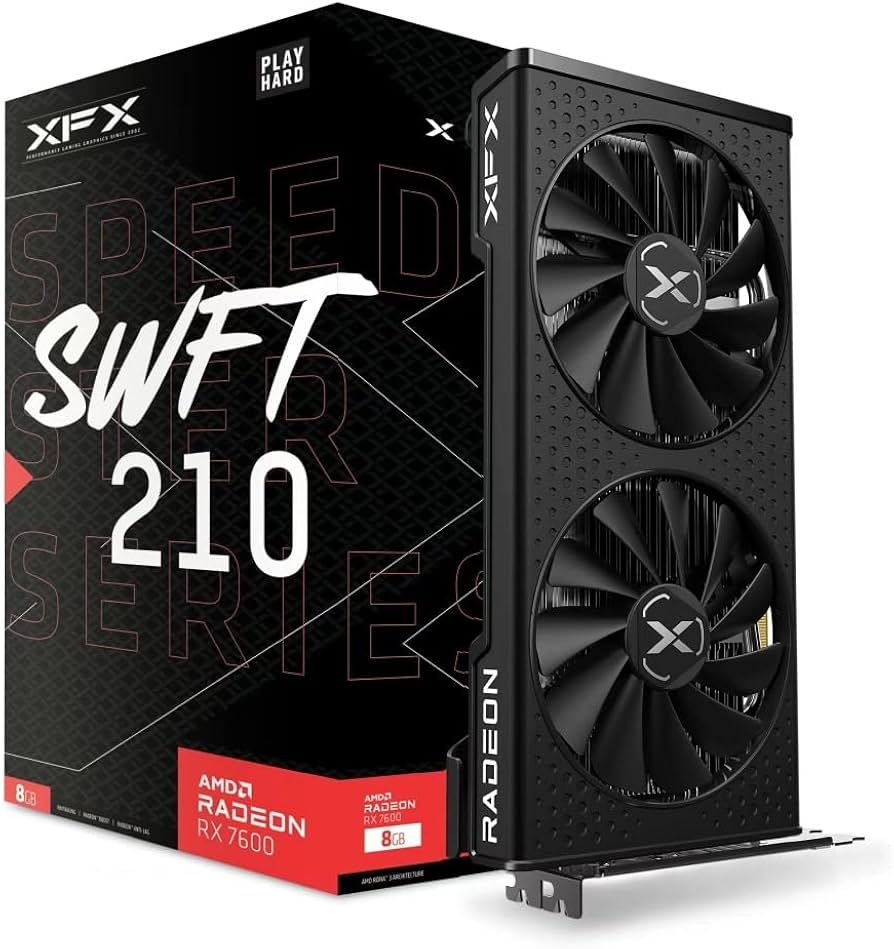
- RX 6000 Series (RDNA 2): Budget options like the RX 6600, still viable for 1080p/1440p in 2025. Models such as the Speedster SWFT 210 offer solid value but may show age in newer titles.
XFX also produces accessories like power supplies, but GPUs are their star. Series like Speedster (e.g., MERC, SWFT, QICK) emphasize cooling, RGB, and build quality. If “are XFX GPUs good” is your query, these ranges deliver competitive specs at mid-tier prices, often undercutting premium brands.
For a quick overview:
| Series | Key Models | Target Use | VRAM | Price Range (2025 Est.) |
|---|---|---|---|---|
| RX 9000 | RX 9070 XT, RX 9060 XT SWIFT OC | High-end gaming/AI | 16-32GB GDDR6 | $500-$800 |
| RX 7000 | RX 7900 XTX MERC 310 Black | Flagship gaming/creatives | 20-24GB GDDR6 | $800-$1,200 |
| RX 6000 | RX 6600 SWFT 210 | Budget/mid-range gaming | 8-16GB GDDR6 | $200-$400 |
This focus on AMD makes XFX a go-to for Radeon fans, but it might not suit NVIDIA loyalists.
Is XFX a Good GPU Brand? Comprehensive 2025 Review & Comparisons
In the competitive world of graphics cards, choosing the right brand can make or break your gaming or creative setup. If you’re searching for “is XFX a good GPU brand,” you’re likely weighing factors like performance, reliability, value, and customer support. As a dedicated AMD partner, XFX has carved out a niche in the market, but does it stand up to heavyweights like ASUS, MSI, or Sapphire? In this in-depth 2025 review, we’ll break down XFX’s history, product lineup, pros and cons, real-world performance, and user feedback to help you decide. We’ll also compare it to competitors and spotlight popular series like Speedster to give you a clear picture.
Whether you’re building a budget rig or chasing high-end 4K gaming, understanding XFX’s strengths and weaknesses is key. Let’s dive in.
XFX Brand Background: From NVIDIA Roots to AMD Loyalty
XFX, a subsidiary of Hong Kong-based Pine Technology Holdings Limited, has been in the graphics card game since the early 2000s. Originally known for producing NVIDIA cards, the company made a pivotal switch to AMD (formerly ATI) in 2009 after a fallout with NVIDIA over distribution issues. This shift positioned XFX as an exclusive AMD partner, focusing on Radeon GPUs that emphasize value and innovation.
Headquartered in Ontario, California, XFX has evolved from a budget-oriented brand to one that offers premium features like advanced cooling and overclocking potential. Notably, they introduced power supplies in 2009, starting with an 850W Black Edition model, but their core strength remains in GPUs. In the US and Canada, XFX cards once featured a “double-lifetime” warranty—covering the original buyer and one subsequent owner—if registered within 30 days. While this has been phased out for newer models, it highlights their past commitment to longevity.
Today, XFX continues to innovate with technologies like Magnetic Air fans for easy maintenance and partnerships with AMD for cutting-edge RDNA architectures. If you’re asking “is XFX a good brand,” their history shows resilience and adaptation, but success hinges on product quality—which we’ll explore next.
XFX Product Range: Focus on AMD Radeon GPUs
XFX’s lineup is all about AMD Radeon cards, spanning entry-level to flagship models. They don’t dabble in NVIDIA, which limits options but allows deep specialization in AMD’s ecosystem. Here’s a breakdown of their key offerings in 2025:
- RX 9000 Series (RDNA 4 Architecture): High-end cards like the RX 9070 XT and RX 9060 XT dominate here. The RX 9070 XT Mercury OC Magnetic Air is praised for its cooling but criticized for underperforming in noise-normalized tests compared to cheaper models like Sapphire Pulse. These support AI accelerators, AMD FidelityFX Super Resolution 4 (FSR 4), and HYPR-RX for boosted performance. Ideal for 1440p/4K gaming and AI tasks.
- RX 7000 Series (RDNA 3): Includes fan-favorites like the Speedster MERC 310 RX 7900 XTX Black Edition with 24GB GDDR6. Features Magnetic Air Technology for tool-less fan swaps and Honeywell PTM7950 thermal interface for long-term efficiency. Great for creators and gamers, though power-hungry.
- RX 6000 Series (RDNA 2): Budget options like the RX 6600, still viable for 1080p/1440p in 2025. Models such as the Speedster SWFT 210 offer solid value but may show age in newer titles.
XFX also produces accessories like power supplies, but GPUs are their star. Series like Speedster (e.g., MERC, SWFT, QICK) emphasize cooling, RGB, and build quality. If “are XFX GPUs good” is your query, these ranges deliver competitive specs at mid-tier prices, often undercutting premium brands.
For a quick overview:
| Series | Key Models | Target Use | VRAM | Price Range (2025 Est.) |
|---|---|---|---|---|
| RX 9000 | RX 9070 XT, RX 9060 XT SWIFT OC | High-end gaming/AI | 16-32GB GDDR6 | $500-$800 |
| RX 7000 | RX 7900 XTX MERC 310 Black | Flagship gaming/creatives | 20-24GB GDDR6 | $800-$1,200 |
| RX 6000 | RX 6600 SWFT 210 | Budget/mid-range gaming | 8-16GB GDDR6 | $200-$400 |
This focus on AMD makes XFX a go-to for Radeon fans, but it might not suit NVIDIA loyalists.

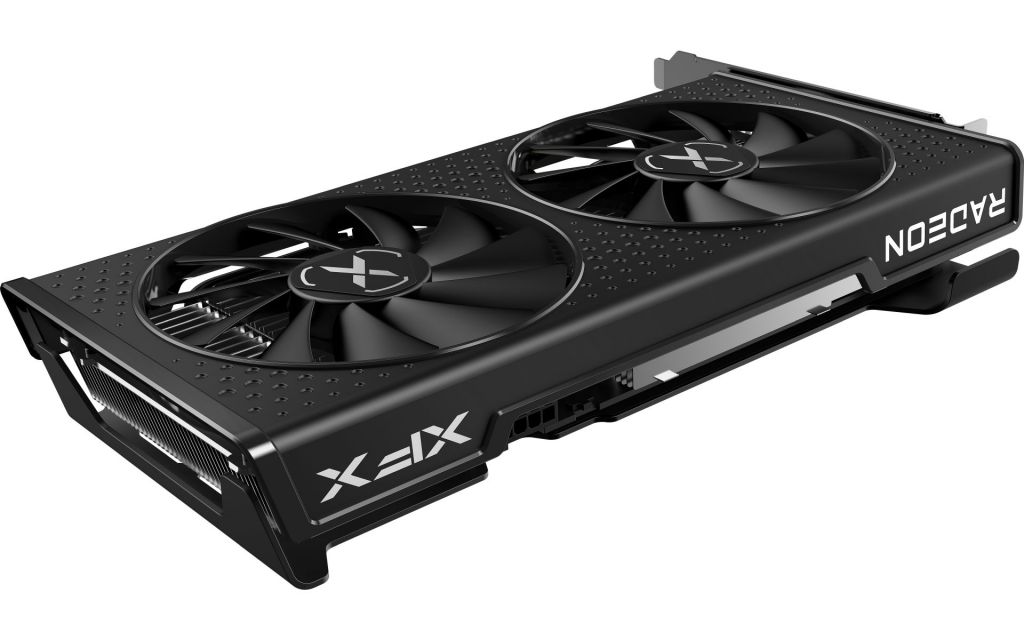
The XFX Speedster MERC 310 RX 7900 XTX, a flagship model known for its robust cooling and high VRAM.
Pros and Cons of XFX GPUs: Weighing the Strengths
No brand is perfect, and XFX is no exception. Based on 2025 reviews from sites like TechPowerUp and PC Gamer, plus user feedback on Reddit and X (formerly Twitter), here’s a balanced look.
Pros:
- Excellent Value for Money: XFX cards often undercut competitors while matching performance. For instance, the RX 9060 XT SWIFT OC excels at 1440p, rivaling older high-end cards like the RX 7800 XT. Users on Reddit call it “top 3 for AMD cards,” praising build quality over pricier options.
- Strong Cooling and Build: Features like heavy aluminum heatsinks, copper heat pipes, and Magnetic Air fans keep temps low. The RX 9060 XT SWIFT OC runs quietly with a 3-slot design. Durability is a highlight—many report cards lasting years without issues.
- AMD Ecosystem Integration: Seamless with FSR 4, HYPR-RX, and ray tracing. Great for budget-conscious gamers avoiding NVIDIA’s premium pricing.
- Reliability in Benchmarks: Consistent performance in games and overclocking, with low coil whine in newer models.
Cons:
- Customer Support and Warranty Issues: Some users report slow RMA processes or denied claims post-warranty. X posts mention cards failing shortly after coverage ends.
- Noise and Power Draw: Certain models, like the RX 9070 XT Mercury, are louder under load and power-hungry (up to 464W). FSR 4 helps, but it’s not as refined as NVIDIA’s DLSS in all titles.
- Limited Availability and Design Quirks: Aesthetics can be polarizing (e.g., “strange colors” on RX 9070 series). Not as widely stocked as MSI or ASUS.
- RT Performance Gaps: Ray tracing is good but lags behind NVIDIA without a top-tier denoiser like Ray Reconstruction.
Overall, if reliability and value are priorities, XFX scores high—but expect trade-offs in premium features.
Are XFX GPUs Good? Performance Testing and Benchmarks
To answer “are XFX GPUs good,” let’s look at real data. In 2025 benchmarks from TechPowerUp and PC Gamer:
- The RX 9060 XT SWIFT OC delivers strong 1440p performance, matching or exceeding the RX 7800 XT in FPS for titles like Cyberpunk 2077. Overclocking boosts it further, with low fan noise.
- RX 9070 series shines in rasterization but draws more power (e.g., 380W+ loads). FSR 4 is a standout, improving smoothness in games like Spider-Man 2, though hit-or-miss in others like Avatar.
- Older models like RX 6750 XT remain viable for 1080p but struggle at 1440p in demanding games.
User tests on X highlight upgrades, like swapping a faulty 7800 XT for an RX 7900 XT with no issues. Stuttering is minimal compared to some NVIDIA cards in CPU-limited scenarios.
In short, yes—XFX GPUs perform well for their price, especially in AMD-optimized setups.
Is Speedster a Good GPU Brand? Deep Dive into the Series
Speedster isn’t a separate brand—it’s XFX’s sub-line of AMD Radeon cards, including MERC, SWFT, and QICK variants. If “is Speedster a good GPU brand” brought you here, consider it synonymous with XFX’s gaming-focused GPUs.
- Features: Triple/dual-fan cooling, RGB options, and robust materials. The MERC 310 series excels in overclocking with vapor chamber tech.
- Pros: Affordable, reliable for 1440p/4K. Users love the SWFT models for clean designs and high boost clocks.
- Cons: Some report coil whine or thermal paste degradation faster than competitors.
- Reviews: Tech sites like OC3D praise the RX 9070 SWIFT for transforming the market, while X users compare it favorably to PowerColor Hellhound.
Speedster series is solid for gamers, earning XFX’s reputation as a value leader.
Comparisons: XFX vs. ASUS, MSI, Gigabyte, and Sapphire
How does XFX stack up? Here’s a table based on 2025 data:
| Brand | Strengths | Weaknesses | Best For | Price Premium |
|---|---|---|---|---|
| XFX | Value, cooling innovation (Magnetic Air), AMD focus | Noisier models, support variability | Budget AMD builds | Low |
| ASUS | Premium builds, quiet operation | Higher cost | High-end overclockers | High |
| MSI | Balanced performance, good software | Average cooling | All-rounders | Medium |
| Gigabyte | Durable, multi-GPU support | Design inconsistencies | Productivity rigs | Medium |
| Sapphire | Top AMD partner, excellent RT | Limited to AMD | Pure AMD enthusiasts | Medium-High |
XFX often wins on value—e.g., RX 9070 XT beats ASUS equivalents in price/performance but lags in noise. Reddit consensus: XFX and Sapphire are “best for AMD.”
User Feedback: Reliability and Reputation
From Reddit and X: Positive vibes dominate, with users calling XFX “great for AMD” and praising longevity (e.g., R9 290X still running). However, some flag QC issues like failing fans or VRAM shortages in older cards. Amazon/Reddit ratings hover around 4.5/5, with complaints centered on support.
In 2025, satisfaction is high for new models, but research specific cards.
Conclusion: Is XFX a Good GPU Brand for You?
Yes, XFX is a good GPU brand in 2025—especially if you value affordability, solid AMD performance, and innovative features like Magnetic Air cooling. It’s not flawless; support and noise can be drawbacks, but for budget-to-mid-range builds, it outperforms expectations. Compared to rivals, it offers better bang-for-buck without sacrificing too much reliability.
If you’re eyeing a Speedster model or RX 9000 series, go for it—just register for warranty and check reviews. For ultimate trust, pair with a strong PSU. Ready to upgrade? XFX could be your smart pick.