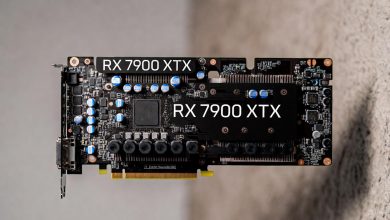
In the ever-evolving world of PC hardware, the quest for the largest GPU has become a fascinating topic for gamers, AI enthusiasts, and PC builders alike. Whether you’re searching for the biggest graphics card to dominate 8K gaming or the longest GPU for a custom extreme build, size matters—not just for bragging rights, but for performance, cooling, and compatibility. As of October 2025, NVIDIA’s RTX 50-series and enterprise-grade cards like the H100 continue to push boundaries, with some models spanning over 38cm in length and occupying four PCIe slots.
This comprehensive guide dives deep into the world’s largest GPUs, offering size comparisons, detailed specs, a historical evolution, and a buyer’s guide to help you navigate these behemoths. We’ll explore why these massive cards exist, their pros and cons, and how to integrate them into your setup without compromising your rig.
What Defines the Largest GPU? Understanding Dimensions and Why Size Matters
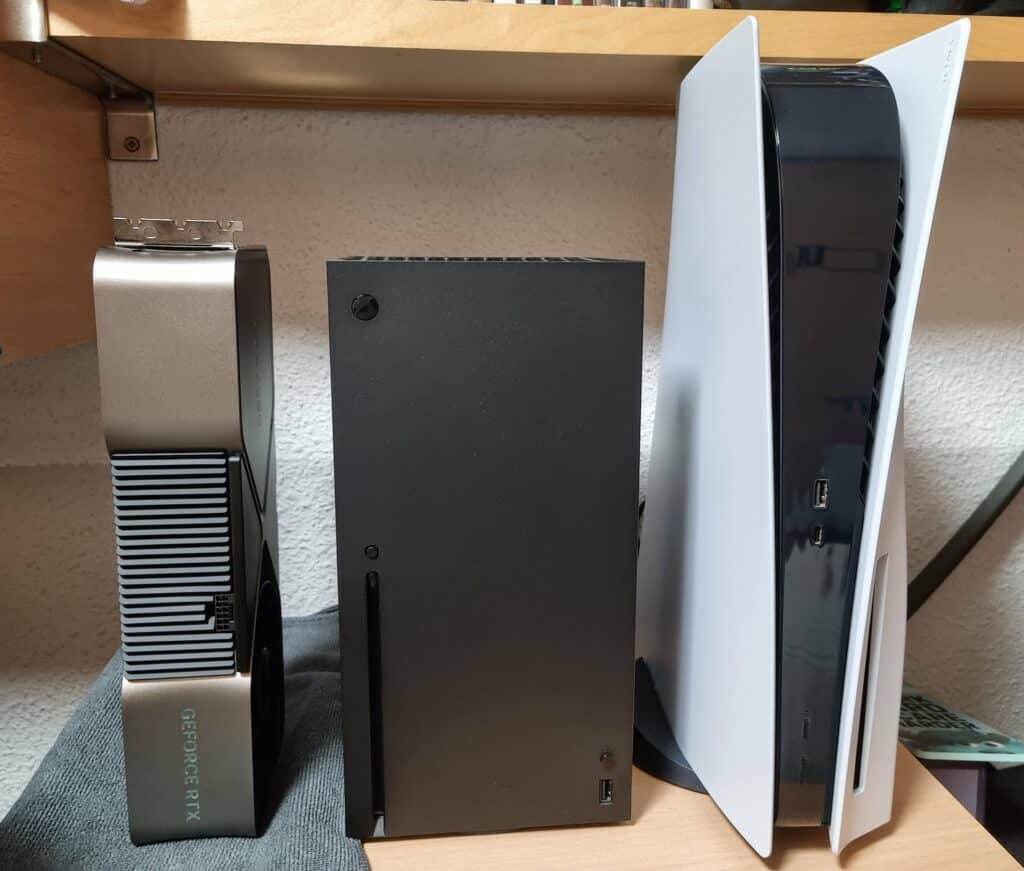
When we talk about the “largest GPU” or “biggest graphics card,” we’re primarily referring to physical dimensions: length, width (height in slots), and thickness. These metrics determine case compatibility, cooling requirements, and even power draw. For instance, a longer card might require a full-tower case, while a thicker one (like a 4-slot model) could block adjacent PCIe slots.
- Length: Measured from bracket to end, often exceeding 300mm in high-end models.
- Width/Height: Slot occupancy, from 2-slot to 4-slot or more.
- Thickness/Depth: Overall bulk, impacting airflow.
Larger GPUs typically house more powerful chips, bigger VRAM modules, and elaborate cooling systems to handle thermal loads from AI workloads or ray-traced gaming. However, they demand robust PSUs (often 1000W+) and careful build planning. In 2025, the push for AI and machine learning has amplified this trend, with enterprise GPUs like NVIDIA’s A100 and H100 setting new size standards for data centers.
Why does size matter? Bigger cards often deliver superior performance but at the cost of portability and ease of installation. For extreme builds, they enable overclocking and multi-monitor setups, but casual users might prefer compact alternatives.
Top 10 Largest GPUs in 2025: Size Comparisons and Specs
Based on recent benchmarks and reviews, here’s a ranked list of the biggest graphics cards by physical size (focusing on length and slot occupancy). We’ve prioritized consumer and enterprise models available in 2025, drawing from dimensions like those of the RTX 5090 and its predecessors. This table compares key specs, including dimensions, VRAM, and use cases.
| Rank | Model | Length (mm) | Slots | VRAM | Key Specs | Best For |
|---|---|---|---|---|---|---|
| 1 | ZOTAC RTX 4090D PGF OC | 381 | 4 | 24GB GDDR6X | 16384 CUDA cores, 450W TDP | Extreme gaming, AI training |
| 2 | Gigabyte Aorus RTX 4090 Master | 358 | 4 | 24GB GDDR6X | 16384 CUDA cores, 450W TDP | High-end 4K/8K gaming |
| 3 | NVIDIA RTX 5090 | ~350 (estimated) | 3-4 | 32GB GDDR7 | 21760 CUDA cores, 600W TDP | Next-gen ray tracing, content creation |
| 4 | ASUS TUF Radeon RX 7900 XTX | 352 | 3.5 | 24GB GDDR6 | 6144 stream processors, 355W TDP | AMD enthusiasts, FSR3 gaming |
| 5 | NVIDIA H100 Tensor Core (SXM) | 300+ (module) | N/A (server) | 80GB HBM2e | 16896 CUDA cores, 700W TDP | AI/HPC data centers |
| 6 | MSI RTX 4080 Super | 336 | 3 | 16GB GDDR6X | 10240 CUDA cores, 320W TDP | Balanced 1440p/4K builds |
| 7 | NVIDIA A100 80GB | 267 | Dual-slot (PCIe) | 80GB HBM2e | 6912 CUDA cores, 400W TDP | Machine learning, simulations |
| 8 | AMD Radeon RX 7900 XT | 287 | 2.5 | 20GB GDDR6 | 5376 stream processors, 315W TDP | Value high-performance gaming |
| 9 | NVIDIA RTX 5070 Ti | ~280 | 2.5 | 16GB GDDR7 | ~8960 CUDA cores, 300W TDP | Mid-range AI/gaming |
| 10 | EVGA RTX 3090 FTW3 (historical ref) | 300 | 3 | 24GB GDDR6X | 10496 CUDA cores, 450W TDP | Legacy extreme overclocking |
These dimensions are based on manufacturer specs and reviews. For example, the ZOTAC RTX 4090D PGF stands out as the longest GPU ever made for desktops, measuring 38.1 x 15.4 x 7.4 cm—larger than some mini-ITX motherboards. In comparisons, the RTX 5090’s GB202 die is 22% larger than the RTX 4090’s AD102, clocking in at 744mm², making it NVIDIA’s biggest desktop chip since 2018.
Size Comparison Insights
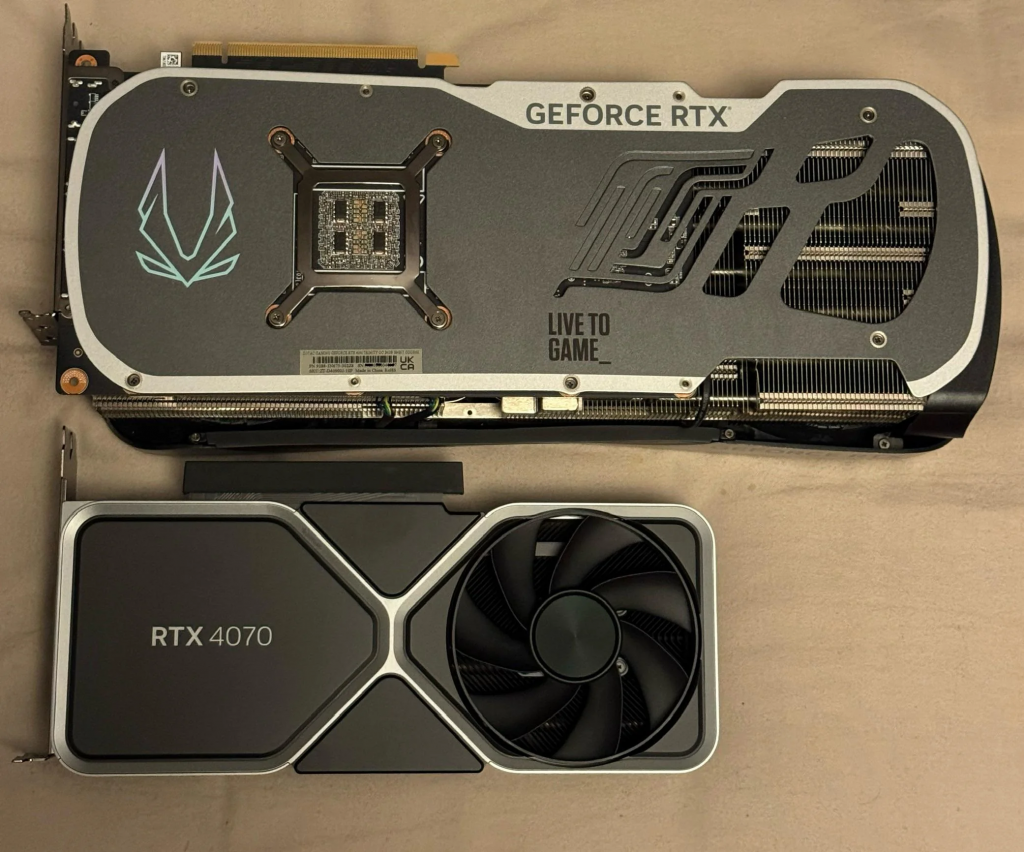
- RTX 5090 vs. RTX 4090: The 5090 edges out in die size (744mm² vs. 608mm²) but maintains similar physical dimensions for compatibility. It’s about 10-20% faster in benchmarks, ideal for creators.
- Consumer vs. Enterprise: Gaming cards like the RTX 4090 focus on length for triple-fan coolers, while enterprise GPUs like the H100 prioritize dense memory stacks (up to 80GB) in compact server forms.
- AMD vs. NVIDIA: AMD’s RX 7900 XTX is slightly shorter but competes in performance, offering better value for rasterization-heavy tasks.
If you’re building a rig, ensure your case supports at least 350mm GPU clearance—popular options include the Lian Li O11 Dynamic or Corsair 1000D.
Evolution of the Longest GPUs: From Past to Present
The journey to today’s massive GPUs started in the 1990s with modest cards like the Voodoo 5, measuring just 312mm. Fast-forward to 2025, and we’ve seen exponential growth driven by transistor density, AI demands, and power efficiency.
- 1990s-2000s: Early giants like ATI’s R300 (200mm² die) revolutionized 3D gaming, but cards were slim (1-2 slots).
- 2010s: NVIDIA’s GTX Titan (561mm²) and GTX 1080 marked the shift to larger dies for Pascal architecture, with lengths hitting 250mm+.
- 2020s: The RTX 30-series introduced 300mm+ cards, culminating in the RTX 4090’s 358mm Aorus variant. By 2024, ZOTAC’s 381mm RTX 4090D became the longest, only rivaled by 2025’s RTX 5090 prototypes.
This evolution reflects Moore’s Law in action: dies have grown 10x since 2000, enabling 2477% performance leaps from HD 5870 to RTX 5090. Historical benchmarks show the GTX 1080 halved power use while boosting speed 30% over predecessors.

Infographic timeline of GPU evolution from 1995-2010, illustrating the growth in size and complexity over decades.
Future trends? Expect even larger enterprise GPUs for quantum simulations, with consumer cards stabilizing around 350mm as water-cooling becomes mainstream.
Biggest Graphics Cards for Extreme Builds: A Buyer’s Guide
Ready to go big? Here’s how to choose and build with the largest GPUs.
Step 1: Assess Your Needs
- Gaming: Opt for RTX 5090 or RX 7900 XTX for 4K/144Hz.
- AI/ML: H100 or A100 for tensor core acceleration.
- Budget: Entry-level big cards start at $800; flagships hit $2000+.
Step 2: Compatibility Check
- Case: Need 400mm+ clearance (e.g., Phanteks NV5).
- PSU: 850W minimum; 1200W for overclocking.
- Motherboard: Ensure PCIe 5.0 support to avoid bottlenecks.
Step 3: Pros and Cons of Massive GPUs
Pros:
- Superior cooling for sustained boosts.
- Higher VRAM for multitasking (e.g., 32GB on RTX 5090).
- Future-proof for emerging tech like DLSS 4.
Cons:
- High power draw (up to 700W).
- Sagging risk—use brackets.
- Limited to large cases; not ideal for SFF builds.
Step 4: Top Recommendations
- Best Overall: NVIDIA RTX 5090 – Balances size and performance.
- Best Value: AMD RX 7900 XTX – Slightly smaller but competitive.
- Enterprise Pick: NVIDIA H100 – For scalable AI setups.
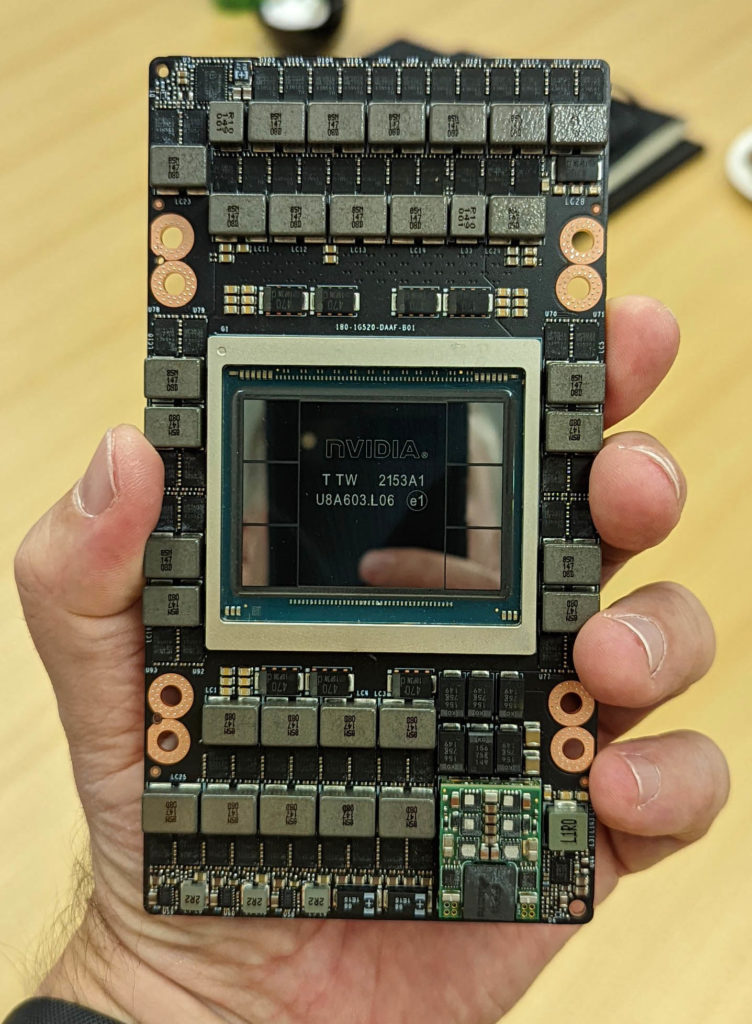
Close-up of the NVIDIA H100 GPU module, a powerhouse for enterprise AI with massive memory capacity.
Build Tips
- Use vertical mounts for aesthetics.
- Pair with high-airflow fans to manage heat.
- Test for sag prevention with included brackets.
Future of Large GPUs and Final Thoughts
As AI and VR advance, expect GPUs to grow further—perhaps integrating more HBM memory or modular designs. By 2026, NVIDIA’s RTX 50 SUPER series could redefine “largest.”
In summary, the largest GPU in 2025 isn’t just about size; it’s about unlocking unprecedented performance. Whether you’re eyeing the longest GPU like ZOTAC’s monster or a balanced biggest graphics card, prioritize compatibility and cooling for a seamless build.
FAQ: Common Questions About Largest GPUs
What is the longest GPU ever made?
The ZOTAC RTX 4090D PGF at 381mm.
Are bigger GPUs always better?
Not necessarily—they excel in high-TDP scenarios but require more space and power.
How do I measure GPU size for my case?
Check manufacturer specs for length, width, and slots; use tools like PCPartPicker for compatibility.
What’s the biggest enterprise GPU?
NVIDIA H100 with 80GB HBM2e, optimized for data centers.
For more tech insights, explore our guides on GPU benchmarks and PC building.