6 Shocking GPU Price Trends Gamers Are Panicking About
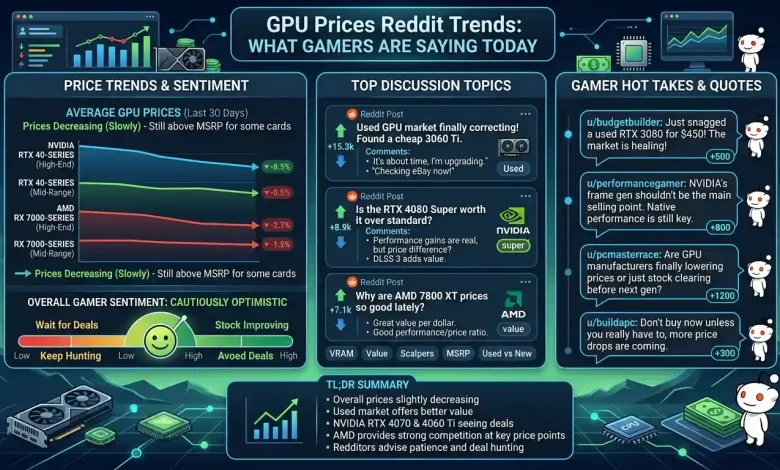
Table of Contents
GPU Prices Reddit Trends: What Gamers Are Saying Today reveal a market fraught with complexity, influenced heavily by an insatiable demand from the Artificial Intelligence (AI) sector, ongoing supply chain issues, and strategic shifts by major manufacturers like NVIDIA and AMD. As of mid-2026, the sentiment among PC gamers on Reddit is a mix of frustration, strategic caution, and a search for value in an increasingly challenging landscape. Discussions frequently revolve around rising costs, particularly for new generations of graphics cards, and the perceived lack of consumer-focused prioritization from GPU makers. The golden era of readily available, affordably priced GPUs seems to be a distant memory for many, replaced by a new reality shaped by powerful market forces.
Introduction: The Current Pulse of the GPU Market
The global GPU market continues its significant growth trajectory, driven primarily by increasing demand from gaming, AI, and data centers. Projections indicate the market could reach $548.07 billion by 2031, with a compound annual growth rate (CAGR) of 32.1% from 2024. However, this growth comes at a cost, particularly for the average consumer. Reddit communities like r/pcmasterrace and r/buildapc are buzzing with discussions lamenting the renewed upward pressure on GPU prices in 2026. Many gamers who once celebrated a brief period of price normalization in late 2024 or early 2025 are now expressing concern over what appears to be another “storm” of rising costs. The consensus is that the market is tightening rapidly due to a combination of supply constraints, strategic pricing decisions by manufacturers, and sustained AI-driven demand, signaling a prolonged period of pressure into 2026.
Gamers are keenly observing how this structural shift, rather than speculative bubbles, is impacting their ability to upgrade or build new systems. The affordability crisis is a recurring theme, with many noting that the cost of building a PC today is significantly higher than just a few years ago. This is pushing some to consider pre-built systems, although the underlying component costs remain a concern. The conversation underscores a fundamental shift where consumer demand, while still strong, is being overshadowed by the enterprise sector’s immense appetite for high-performance computing.
AI and the Memory Bottleneck: A Primary Price Driver
At the heart of the current GPU pricing surge is the unprecedented demand from the AI and machine learning sectors, coupled with a critical shortage of high-bandwidth memory (HBM), GDDR, and DRAM. Industry reports in early 2026 indicated that memory prices had risen by several hundred percent in recent months, with VRAM alone accounting for over 80% of the total bill of materials for some high-end GPUs. This exponential increase in memory costs is directly translating into higher GPU prices across all major product lines. For instance, Blackwell GPUs have seen price increases of 15-23%, while Ada series GPUs are up by 5-10%.
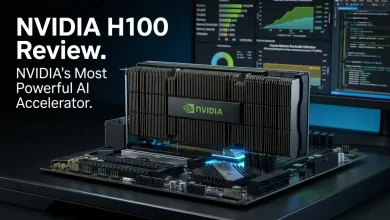
The AI boom has transformed the GPU market, with manufacturers like NVIDIA increasingly prioritizing higher-margin AI accelerators and enterprise-grade GPUs over consumer models. Companies are pouring trillions into acquiring GPUs and building data centers, making the demand for AI compute far outpace supply. This means that even older hardware, such as NVIDIA’s H100s, remains central to AI training and inference workloads and is not depreciating significantly in price. Carmen Li, CEO of Silicon Data, noted in April 2026 that their pricing data showed broad increases across older and newer Nvidia GPUs, emphasizing that prices are “going pretty nuts”.
This prioritization is leading to reduced output for parts of the mid-range consumer portfolio, such as the RTX 5070 and RTX 5060 Ti, as manufacturers reallocate resources to meet the voracious AI demand. The impact is palpable for gamers, who face extended lead times of 3-7 months and unstable allocations, further limiting availability. The sentiment on Reddit reflects this grim reality, with many discussing the expectation of phased GPU price hikes from both AMD and NVIDIA throughout 2026.
Generational Shifts and Release Speculations
The anticipation surrounding new GPU generations is a constant source of discussion on Reddit, but current trends suggest a more cautious approach from manufacturers, heavily influenced by the AI market. NVIDIA’s RTX 50 series and AMD’s upcoming Radeon RX 9000 range are at the forefront of these discussions. There are reports that NVIDIA’s flagship GeForce RTX 5090 could reach prices as high as $5,000 later in 2026, a significant jump from its initial launch price, due to escalating memory costs. This potential price point has sparked considerable debate and frustration among gamers who deem such figures exorbitant for a consumer product.
For AMD, the Radeon RX 9070 GRE was announced at Computex 2026 with a global retail price of $549, positioning itself to bridge the gap between the RX 9060 XT and RX 9070. Other new AMD cards, such as the RX 9060, RX 9070, and RX 9070 XT, have MSRPs ranging from $269 to $599, though finding them at these prices is proving difficult due to memory price hikes.
Adding to the uncertainty, rumors suggest that NVIDIA’s RTX 5000 Super refreshes might be pushed out to 2027, making 2026 one of the “worst years ever” for new GPU releases for consumers. While some leaks hint at the possibility of an RTX 5060 Super with 12GB of VRAM appearing in 2026, countering earlier notions of no new GeForce GPUs this year, the overall picture points to delays and a focus on higher-tier products. This climate fosters a “buy now or regret later” mentality among some, while others express a resolve to wait out the current pricing crisis.
The Dilemma of VRAM and Future-Proofing
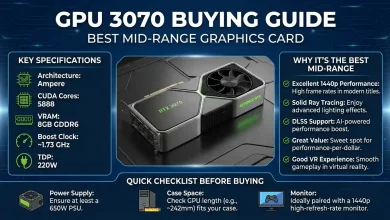
One of the most debated topics on Reddit, particularly in relation to current and future GPU purchases, is the amount of Video RAM (VRAM) required for modern gaming and productivity. Many gamers feel that 8GB VRAM cards are “already obsolete” given the increasing demands of new titles and higher resolutions. This sentiment pushes consumers towards cards with 12GB or 16GB of VRAM for better future-proofing. For example, the RTX 3060 12GB, despite being a previous-generation card, is still considered a “value king” by some due to its ample VRAM at a relatively lower price point.
The push for more VRAM is further exacerbated by the AI sector’s need for large memory capacities, contributing to the overall memory shortage and driving up costs. This creates a difficult situation for gamers on a budget, who often have to compromise between raw performance and sufficient VRAM. Recommendations from Reddit users for budget-conscious buyers in early 2026 often include the AMD RX 9060 XT 16GB, citing its value proposition. However, even these cards are not immune to the rising memory prices. The community consensus is increasingly that a graphics card with at least 12GB of VRAM is essential for a longer performance lifespan, especially before AI-driven demand pushes prices even higher.
| GPU Model | Estimated Price Range (USD) – Q2 2026 | Key Trend/Gamer Sentiment | Primary Influencing Factor |
|---|---|---|---|
| NVIDIA RTX 5090 | $2,000 – $5,000 (potentially higher) | Extreme price hikes, AI prioritization, limited consumer availability. | AI Demand, VRAM Costs |
| NVIDIA RTX 5070 / 5070 Ti | $609 – $1,000 (Blackwell pricing up 15-23%, Ada up 5-10%) | Strong performance for 1440p, but facing increasing costs and supply cuts. | AI Prioritization, Memory Shortages |
| AMD Radeon RX 9070 / 9070 XT | $549 – $700 (MSRPs, but actual street prices often higher) | Good rasterization, competitive with some NVIDIA models, but also affected by VRAM costs. | Memory Cost Hikes |
| AMD Radeon RX 9060 XT (16GB) | $360 – $430 | Considered a “value king” for budget gamers due to 16GB VRAM. | VRAM Capacity, Relative Affordability |
| NVIDIA RTX 3060 (12GB) | $249 – $350 (used often lower) | Previous-gen value pick due to 12GB VRAM, despite being slower. | VRAM Value, Used Market Availability |
| Intel Arc GPUs (e.g., B580) | Competitive pricing, often sub-$300 | Budget-friendly, improving drivers, but limited manufacturer variety and stock. | Budget Niche, Driver Improvements |
Community Sentiment and Buying Strategies
Reddit is a central hub for gamers to vent frustrations, share insights, and discuss strategies for navigating the turbulent GPU market. The prevailing sentiment is one of dismay over escalating prices and perceived indifference from manufacturers towards the consumer gaming segment. Many users express a feeling that the “AI bubble” is negatively impacting their hobby, drawing parallels to the cryptocurrency mining boom of previous years.
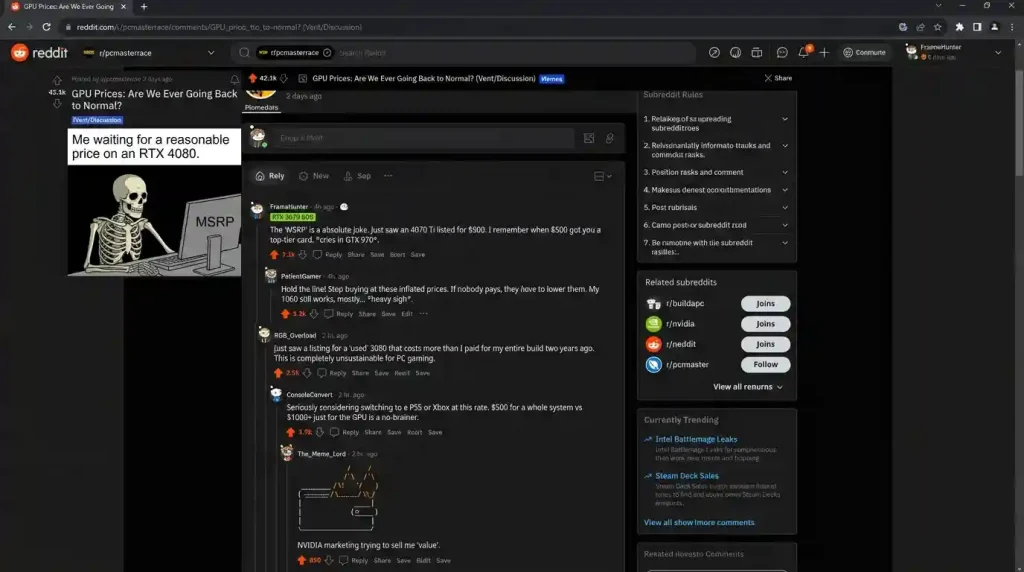
Despite the negativity, the community is actively engaging in discussions about smart buying practices. Common advice includes:
- Waiting for the Right Deal: Many advocate for patience, advising against impulse buys at inflated prices. However, this is countered by the fear of prices rising even further.
- Considering Used/Previous Gen: For those on a budget, older generation cards like the RTX 3060 (12GB) or even higher-end used cards like a 3080 or 3070 Ti are frequently recommended for their price-to-performance ratio, especially if sourced carefully.
- Focus on VRAM: The consensus heavily favors cards with at least 12GB of VRAM for longevity, with 8GB cards often deemed insufficient for modern demands.
- AMD vs. NVIDIA: While NVIDIA often dominates the high-end, AMD’s offerings are frequently lauded for better value, particularly in the mid-range, though both are subject to memory price hikes. Intel Arc GPUs are also emerging as a viable budget option, thanks to competitive pricing and driver improvements.
- Monitoring Deals: Users actively share information on price drops and bundles, though these are becoming rarer for high-demand GPUs.
The conversation also touches on the long-term implications, with some users resigned to holding onto their current GPUs for several more years, waiting for the market to stabilize or for Chinese GPU manufacturers to offer competitive alternatives. The perceived shift of NVIDIA and AMD towards catering more to AI companies is leading some gamers to look for other options or re-evaluate their upgrade cycles.
GPU Market Overview and Outlook
The global GPU market is undergoing a structural transformation rather than a temporary disruption. The immense demand from AI and data centers is not a short-term phenomenon but a sustained, long-term driver of demand. This fundamental shift means that gaming GPUs are facing intense competition for manufacturing capacity and high-bandwidth memory, which directly impacts their availability and pricing for consumers.
Lead times for GPUs are extending, and suppliers are reportedly quoting significantly higher prices for future allocations. NVIDIA, in particular, is said to be strategically allocating memory based on potential profit per GB of VRAM, which further complicates the situation for consumer gaming cards. While the GPU rental market is seeing growth, making high-performance computing more accessible for developers, this doesn’t directly translate to lower costs for individual gamers looking to purchase hardware.
Cryptocurrency mining, which previously caused significant GPU shortages and price hikes, is largely no longer a primary driver for high-end consumer GPUs. Specialized ASIC miners have become the dominant and most profitable method for mining Bitcoin and other SHA-256 algorithms, rendering GPUs economically obsolete for this purpose. However, some altcoins still find GPU mining relevant. Interestingly, some former Bitcoin miners are now pivoting towards AI infrastructure, converting their idle capacity into AI data centers, further illustrating the pervasive influence of AI on the hardware market. Indeed, GPUs are now seeing profitability in AI workloads, potentially making around $9.50 per day, a significant shift from crypto mining.
The future outlook for GPU prices for gamers remains uncertain. While some forecasts suggest continued innovation and the democratization of access through GPU-as-a-service models, the underlying pressures from high production costs, supply chain issues, and geopolitical risks persist. The expectation among many on Reddit is that prices will continue to trend upward, especially for AI-focused GPUs, and that memory constraints will remain unresolved in the near term.
For a deeper understanding of the technological advancements driving this demand, particularly in the realm of AI, exploring resources on graphics processing unit architecture can provide valuable context: Graphics Processing Unit on Wikipedia.
Conclusion: Navigating a Volatile Landscape
The GPU market in mid-2026 is defined by a landscape vastly different from just a few years ago. AI demand has become the undeniable behemoth, reshaping supply chains, dictating production priorities, and driving prices to unprecedented levels, particularly for high-end models. Gamers on Reddit, accustomed to cycles of innovation and more predictable pricing, are now confronting a new reality of sustained price increases and limited availability for consumer-grade cards. The collective sentiment ranges from frustration to pragmatic adaptation, with many advocating for careful consideration of VRAM, exploring previous-generation options, and adopting a long-term perspective on upgrades. While the market continues to grow in overall value, its direction is heavily influenced by industrial and technological demands beyond traditional gaming. For the average gamer, navigating this volatile landscape requires patience, informed decision-making, and a willingness to adapt to evolving market dynamics, as the era of readily available and easily affordable bleeding-edge GPUs appears to be temporarily on hold.